Art gallery etiquette is mostly about protecting the work and sharing the space considerately. You do not need a specialist vocabulary or an expensive outfit to enjoy a first visit. A little planning lets you spend more attention on what you see and less on wondering what you are allowed to do.
Choose one exhibition or a small group of rooms rather than attempting the whole collection. For a trip built around culture, our cultural immersion guide offers a wider approach to meaningful visits.
Check the venue before leaving home
Look at the official visitor page for opening times, timed-entry requirements, accessibility information and bag rules. Permanent collections and temporary exhibitions may have different ticket arrangements. Check the exact exhibition you intend to visit, particularly if you are travelling specifically for it.
Do not assume that every gallery has a cloakroom or that it accepts luggage. Bring only what you can carry comfortably. If step-free access, seating or a quieter visit matters, contact the venue about its available arrangements rather than relying on a general description.
Give the artwork and other visitors room
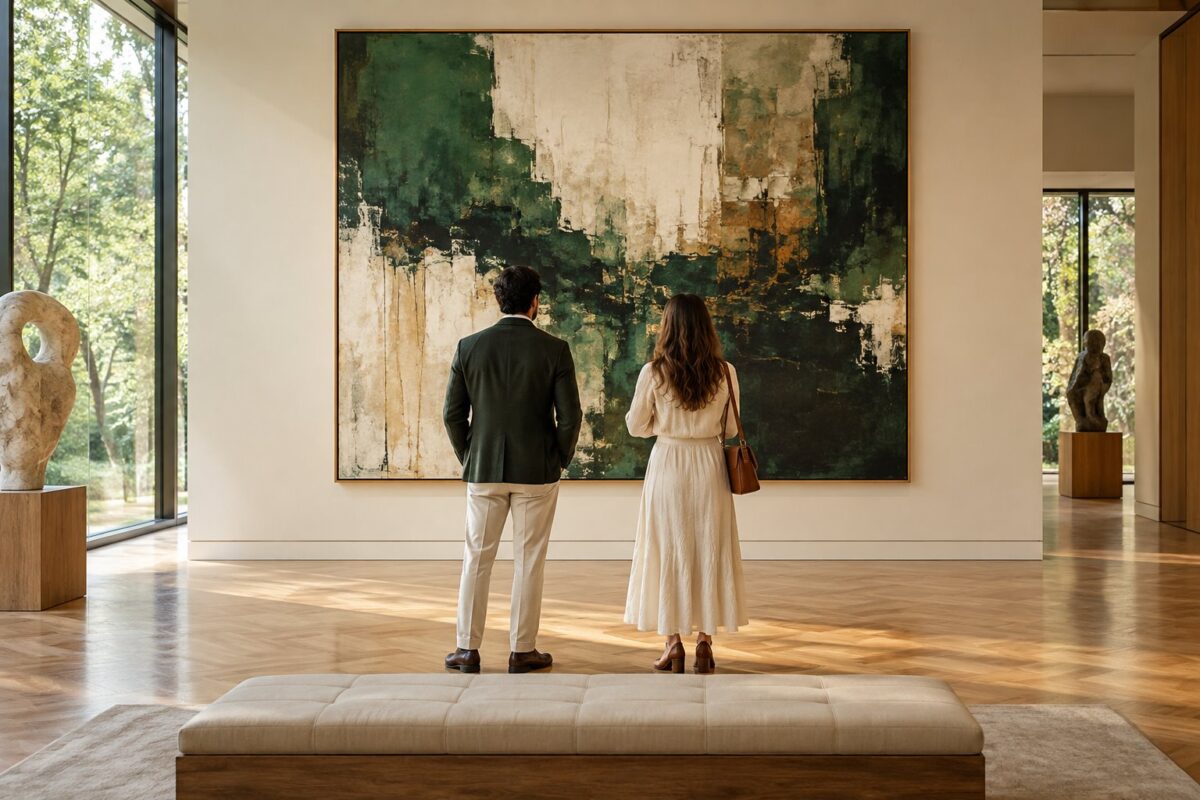
Keep a comfortable distance from paintings, sculpture and display cases. Avoid leaning on plinths or using a frame to steady yourself. If you want to inspect a detail, move closer within the permitted area and step back again so another person can look.
The Metropolitan Museum of Art’s visitor guidelines, for example, prohibit touching artwork and the structures that protect it, and set specific rules for bags and photography. These are an example of one institution’s requirements; follow the rules displayed at the venue you visit.
- Pause to check behind you before stepping backwards.
- Keep doorways and routes through rooms clear.
- Carry bags so they cannot swing into an object.
- Follow barriers and staff directions even when a room looks empty.
Ask what photography is permitted
Photography can vary by room, artwork and exhibition. Look for signs before lifting your phone. Permission to take a personal photograph does not automatically cover a commercial shoot, tripod, flash or an extended posed session.
Take the photograph briefly, without blocking the work or including nearby visitors unnecessarily. If a staff member asks you to stop, put the device away. You can often find an authorised image or collection entry on the museum’s website to revisit later.
If you are visiting with a partner, agree before posting a photo of them. Our guide to relationship privacy considers the value of keeping shared experiences within an agreed audience.
Use a simple way of looking
Start by noticing the work before reading the label. What catches your attention: light, colour, scale, movement or a small detail? Then read the title, date and accompanying text. Return to the image and notice whether that context changes your response.
You can enjoy a work without deciding whether it is good or knowing what it means. A useful conversation starter is: “Which part did you notice first?” It invites different responses without turning the visit into a test. In a quiet room, keep that discussion low enough for others to concentrate.
Build a visit that leaves room for attention
An example first visit might include ten minutes to arrive and orient yourself, half an hour in the chosen exhibition, a break and a final look at one favourite work. Adjust the pace to your comfort and the venue’s layout. A short visit can be satisfying; completing every room is not the purpose.
Use a notebook if you enjoy recording impressions, but check which writing materials the venue allows. Save the title of one work you want to learn about, rather than photographing every label. Later, give it time in a comfortable reading corner with a catalogue or collection page.
Frequently asked questions
Is there a dress code for an art gallery?
Check the venue or event information. For an ordinary visit, comfortable suitable clothing and shoes are generally more useful than dressing for imagined expectations.
Can I ask a basic question?
Yes. Ask a staff member whether they can help or direct you to someone who can. You do not need to apologise for being new.
What if I do not understand the art?
Notice your own response, read the available context and stay curious. Enjoyment does not depend on producing an expert interpretation.