
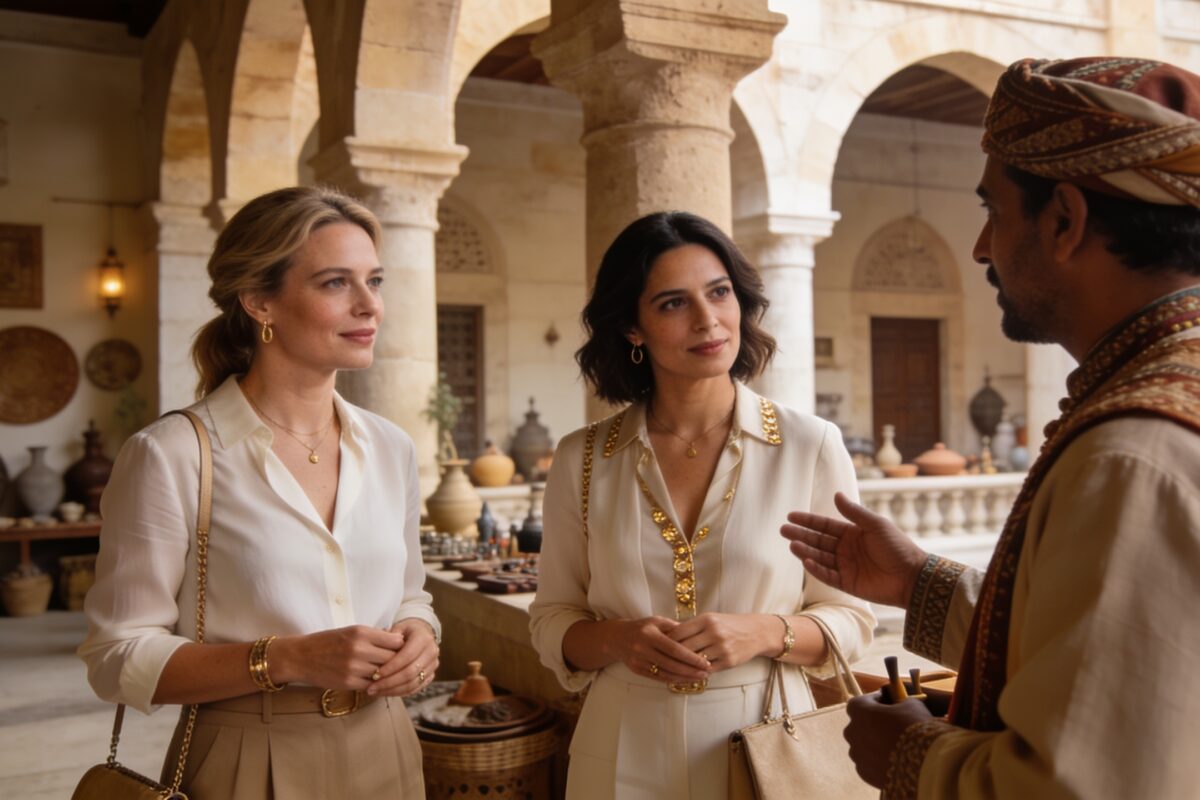
Luxury Cultural Immersion: Beyond Tourist Traps
Luxury travel is no longer defined only by five-star hotels, private transfers and carefully arranged itineraries. For many discerning travellers, the real privilege is having the time, access and flexibility to experience a destination more deeply.
Luxury cultural immersion offers exactly that. Instead of moving from one famous attraction to another, travellers can discover a place through its food, craftsmanship, history, neighbourhoods, traditions and people.
The goal is not to sacrifice comfort in search of authenticity. It is to combine thoughtful luxury with meaningful experiences that create a stronger sense of place.
What Is Luxury Cultural Immersion?
Cultural immersion means experiencing a destination beyond its most familiar tourist attractions. It can involve meeting local artisans, learning about regional traditions, exploring historic neighbourhoods with knowledgeable guides, discovering local cuisine or spending more time understanding the character of a place.
For luxury travellers, the difference often lies in how the experience is arranged. A private guide, specialist historian, local cultural expert or carefully selected host can provide context that is difficult to gain from a standard group tour.
The emphasis should be on depth rather than exclusivity for its own sake. The most rewarding experiences are those that help travellers understand where they are rather than simply giving them access to something unavailable to everyone else.
Move From Sightseeing to Experiencing
Seeing a famous landmark can be memorable, but understanding its history, architecture and cultural significance can make the experience considerably richer.
Instead of building an itinerary around a checklist of attractions, consider choosing experiences that allow more time for context and conversation. A private museum visit, an architectural walk with a specialist guide or an early exploration of a historic neighbourhood can reveal details that are easily missed during a rushed itinerary.
This approach changes the role of the traveller. You are no longer simply collecting destinations. You are developing a relationship with the place itself.
Work With People Who Know the Destination
Local knowledge can transform a luxury journey.
A knowledgeable cultural guide, historian, chef, artisan or specialist travel designer can help connect travellers with experiences that reflect the character of a destination. Their value is not simply in arranging access; it is in providing context, translating cultural nuances and helping an experience feel appropriate rather than manufactured.
Choose Local Expertise Over Generic Luxury
In Kyoto, for example, cultural discovery might involve learning about traditional architecture, tea culture or craftsmanship through a specialist who can explain the history and meaning behind the experience.
In Florence, a visit to an artisan workshop can become more meaningful when the craftsman explains the techniques, materials and traditions behind the work rather than simply presenting finished products for sale.
The principle is simple: look for people who can explain a place, not merely sell an experience.
Discover a Destination Through Food
Food is one of the most accessible ways to understand a culture.
A celebrated restaurant can provide an exceptional meal, but culinary immersion can go further. A market visit with a local chef, a regional cooking lesson, a visit to a traditional producer or a meal prepared in a private setting can reveal how ingredients, history and local customs influence what people eat.
When planning a culinary experience, look beyond prestige alone. Ask what makes the experience distinctive and what you will actually learn about the destination.
Choose Experiences With Context
A thoughtful culinary experience might introduce you to regional ingredients, traditional techniques or the people who preserve them. The experience becomes more memorable when the story behind the food is part of the journey.
This is where luxury and authenticity can work particularly well together: comfort provides the framework, while local knowledge provides the substance.
Explore Craftsmanship and Local Traditions
Craftsmanship offers another way to experience a destination beyond its headline attractions.
Private or small-group visits to appropriate artisan workshops can introduce travellers to techniques that have developed over generations. Whether the subject is leatherwork, ceramics, textiles, jewellery, woodworking or another regional craft, the experience can provide insight into the culture of making.
Where possible, choose experiences that support working artisans and respect their time, traditions and creative process. Authenticity should never mean treating local communities as entertainment.
Make Conservation Part of the Journey
Luxury travel can also create opportunities to understand the natural environment and the people working to protect it.
In destinations known for wildlife and conservation, travellers can look for reputable, permitted programmes involving researchers, conservation organisations or knowledgeable local guides. These experiences can provide a more informed understanding of ecosystems and the challenges involved in protecting them.
The emphasis should be on responsible participation and education, rather than turning conservation work into an exclusive spectacle.
A meaningful conservation experience should benefit the destination while giving the traveller a better understanding of the landscape, wildlife and communities that make the region distinctive.
Leave Space for the Unexpected
One of the greatest advantages of luxury travel is flexibility.
An itinerary packed from morning until night can leave little room for discovery. Building periods of unstructured time into a journey allows travellers to linger over lunch, revisit a neighbourhood, explore an unexpected gallery or simply follow an interesting recommendation from a local.
This does not mean abandoning planning. The best luxury itineraries often combine careful preparation with enough flexibility to respond to the moment.
Spend More Time in Fewer Places
Cultural immersion becomes difficult when every day involves a new hotel, airport or destination.
Slowing down can make a journey more rewarding. Instead of trying to see several cities in a short period, consider giving one destination enough time to develop a sense of familiarity.
Longer stays create opportunities for repeat visits, spontaneous discoveries, slower meals and conversations that would never happen during a rushed itinerary.
In this sense, time itself becomes a form of luxury.
Respect the Difference Between Access and Authenticity
Exclusive access can be valuable, but exclusivity does not automatically make an experience authentic.
A private room, after-hours visit or invitation may create privacy and convenience, but the deeper question is whether the experience offers genuine insight into the destination.
The strongest luxury cultural experiences balance access with respect. They involve local expertise, meaningful context and genuine engagement rather than simply placing a premium price on something ordinary.
Luxury Travel Is More Meaningful When It Has a Sense of Place
The finest journeys are not necessarily those with the longest list of privileges. They are often the ones that leave you with a clearer understanding of where you have been.
Cultural immersion can turn a beautiful holiday into a more memorable journey: a conversation with an artisan, a meal that explains a regional tradition, a historic neighbourhood explored slowly or a landscape understood through the people who protect it.
That is the more interesting side of modern luxury travel. Comfort remains important, but the experience becomes richer when luxury creates the freedom to look closer.
Explore More Luxury Travel
For a broader introduction to refined travel, explore Luxury Travel: A Guide to Exceptional Journeys, covering destinations, hotels, private travel and meaningful experiences.
You can also explore the Luxury Travel collection for more destination inspiration, exceptional stays, private travel and memorable experiences.
Editorial Note
Elite Desire Editorial explores luxury through travel, relationships, companionship, lifestyle and personal wellbeing, with a focus on thoughtful experiences for discerning readers.
This article is intended as general travel inspiration. Experiences involving cultural sites, private access, conservation or local communities should always be arranged through reputable providers and conducted with respect for local laws, customs and communities.
