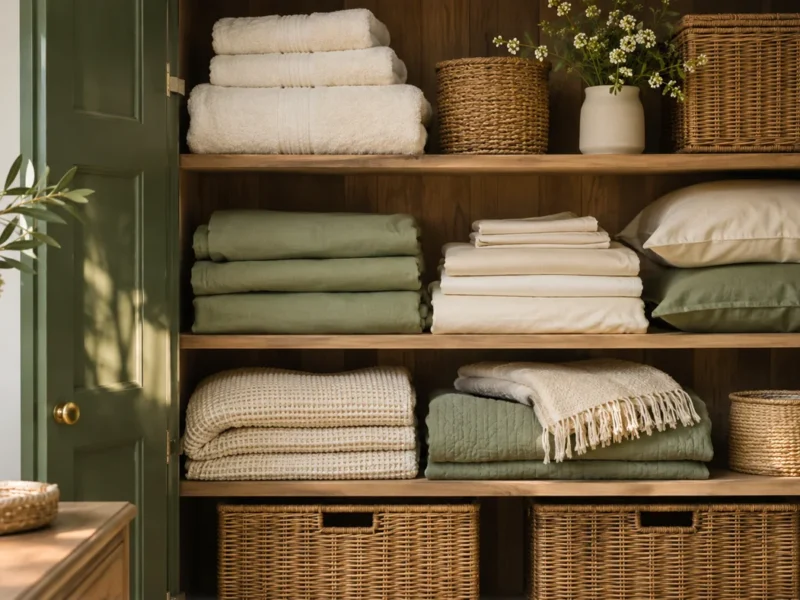
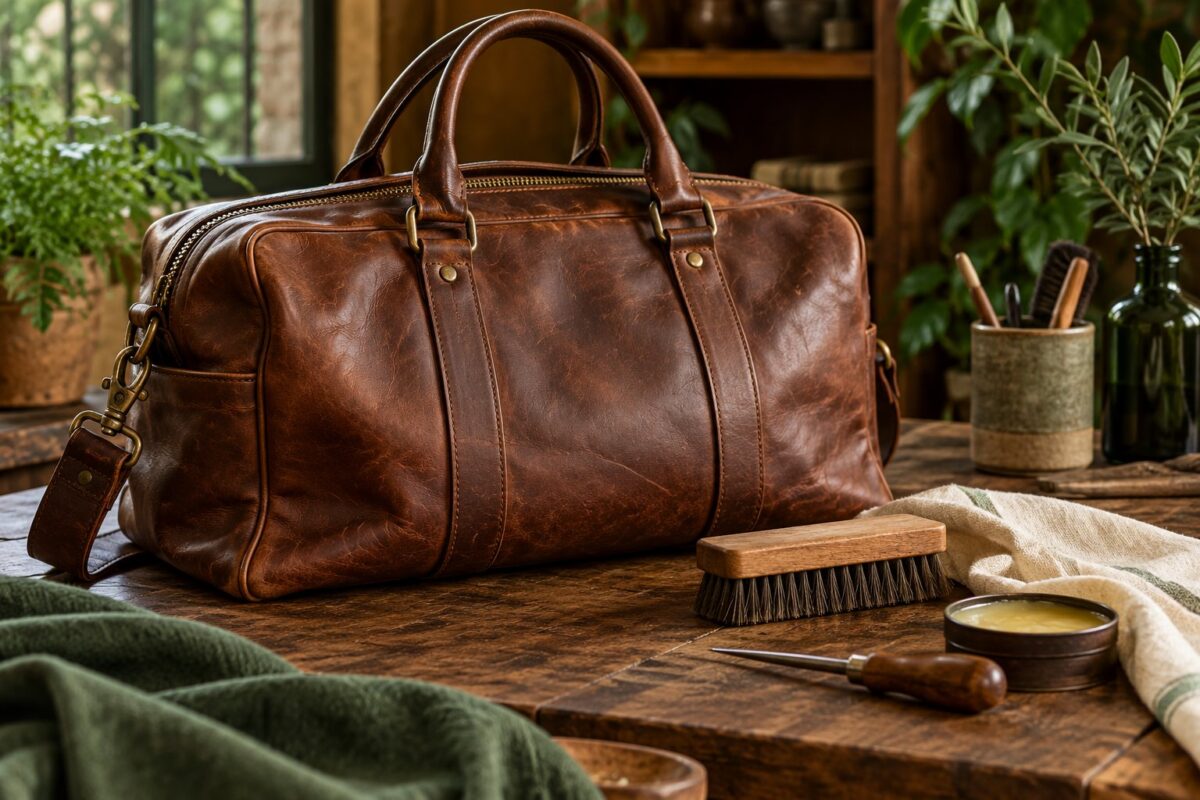
To buy less, buy better, begin with the job an item needs to do. A high price, familiar logo or attractive environmental claim does not establish whether something will fit your life. A useful purchase should earn its place through regular use, manageable care and a realistic expectation of service.
This is a practical decision checklist, not a promise that buying one expensive item will automatically save money or reduce environmental impact. For the emotional side of choosing, see our guide to understanding what you value in luxury.
Name the need before browsing
Describe the problem without naming a product. “I need to carry a laptop comfortably on my commute” is more useful than “I need a new designer bag.” Note the size, weight, conditions and frequency of use. Then check what you already own.
Sometimes the answer is a repair, an adjustment or using an overlooked item differently. If you still need to buy, a clear brief makes it easier to reject something beautiful that does not solve the problem.
Inspect the parts you will use most
Look beyond the photograph. Check handles, closures, seams, lining, joints and surfaces that will meet wear. Ask what the material description actually covers: the whole item, its outer surface or only one component. Request dimensions and weight when those details affect use.
- Can you operate the fastening comfortably?
- Does the size suit the real contents or available space?
- Are vulnerable parts replaceable?
- Can you inspect a sample or use a clear returns process?
These questions do not turn a shopper into a technical expert. They help identify what still needs an answer before you commit. If a claim matters to the decision, ask for specific evidence rather than relying on a reassuring adjective.
Check repair options while the item is new
Ask who can repair it, which parts can be replaced and how the process works. A repair service may have location limits, assessment charges, shipping costs or exclusions. “Repairable” is more useful when the seller can explain the practical route.
Keep care instructions, receipts and relevant service details together. For an existing item, describe the damage and ask whether an assessment is needed before requesting a price. Do not apply a treatment intended for one material to another without checking suitability.
Read environmental claims carefully
The FTC’s summary of its Green Guides cautions marketers against broad, unqualified environmental-benefit claims. For a buyer, the useful habit is to ask what a claim specifically refers to and what evidence supports it.
Does “recycled” describe the packaging or the product? Does a certification cover the whole supply chain or a particular material? Avoid treating vague words such as green or conscious as a complete assessment. A single attribute does not describe every trade-off involved in making, transporting, using and disposing of an item.
Price the care, space and attention too
| Before buying | Record your answer |
|---|---|
| Use | Where and how often will I actually use it? |
| Care | Can I follow the instructions without an unrealistic routine? |
| Repair | What happens if the most vulnerable part fails? |
| Storage | Where will it live when it is not in use? |
| Alternatives | Could repair, borrowing or a suitable second-hand option meet the need? |
A simple estimated cost-per-use calculation can compare your own scenarios, but it depends on assumptions about future use. Do not turn an optimistic estimate into proof that an expensive purchase is affordable. Keep the total price and your actual budget visible.
For clothing, our wardrobe essentials guide helps connect purchases to outfits you already wear. At home, the curated living guide asks whether an object improves the way a room works.
Leave room for a deliberate decision
If the item is not urgent, save the details and return to the decision later. Ask whether you still want the function, or mainly the feeling created by the display. Choosing not to buy is a complete outcome, not a failed shopping trip.
Frequently asked questions
Does better always mean more expensive?
No. Better means suitable for your purpose, with construction, care and support you can assess. Price alone does not establish those qualities.
Is second-hand always the best choice?
Assess condition, suitability, authenticity where relevant, repair needs and seller terms. The right choice depends on the actual item.
What should I do with items I no longer use?
Consider a suitable repair, resale, donation or local disposal route. Check the receiving organisation’s requirements before passing items on.