The psychology of luxury becomes more interesting when we stop asking whether an object is expensive and start asking what it means to its owner. A watch might mark a personal milestone. A tailored jacket might make everyday dressing easier. A carefully planned journey might offer time with someone who rarely has a free week.
These are different motives, and they need different decisions. This article offers a reflective framework rather than claiming that everyone shares the same psychological drivers. Price, rarity and recognition can influence an attraction, but they do not establish whether a choice will suit your life.
Separate the object from the occasion
Write down what first drew your attention. Was it a useful feature, a memory, a recommendation or seeing someone else enjoy it? Then imagine the same object without the launch event, presentation box or social attention. Would you still want to use it?
For an experience, make the same distinction between the setting and the time spent there. A memorable dinner could depend more on the conversation than on the reservation. Knowing which part you value helps you choose deliberately instead of trying to recreate an entire image.
Look for craftsmanship you can explain
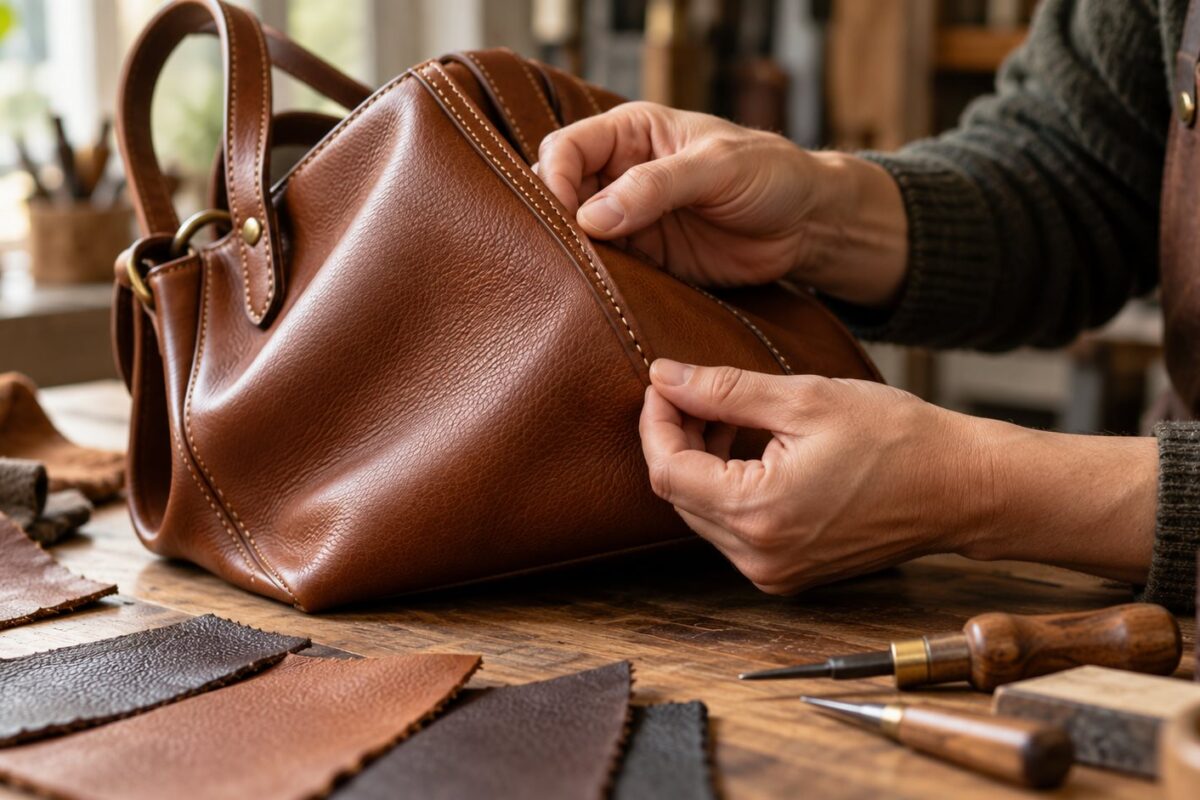
Ask a maker or seller about materials, construction, care and repairs. A vague promise of heritage tells you less than a clear explanation of how a piece is made and maintained. Learn which details affect comfort or longevity and which are primarily decorative.
Our guide to timeless wardrobe essentials provides a related perspective on fit and maintenance. Beautiful design can still be inconvenient if it requires care you do not want to provide.
Notice the role of belonging
Sometimes an item feels attractive because it connects us with a profession, community or person we admire. There is nothing unusual about wanting recognition, but it is useful to name that motive. Ask whether the purchase expresses your taste or mainly answers a perceived expectation.
A logo is neither proof of confidence nor evidence of insecurity. Avoid judging other people from their choices. Instead, test your own decision against the everyday situations in which you expect to use it.
Give rarity a practical test
A limited edition or waiting list can make a decision feel urgent. Pause and ask whether scarcity changes the usefulness of the item. Check availability and terms directly, and avoid assuming that a high price guarantees resale value.
For a personal purchase, a cooling-off period can clarify what remains attractive once the urgency fades. Keep a short note of your reasons and revisit it before committing. This is a taste exercise, not investment advice.
Build meaning through use
A treasured object acquires meaning through wearing, caring for and living with it. An unused purchase may offer less pleasure than a familiar piece chosen well. Our curated living guide considers how objects can earn their place in a home.
Before your next choice, answer three questions: What will this add to an ordinary day? What ongoing care or cost will it need? Would I still choose it if nobody else knew? The answers will not settle every decision, but they make the appeal of luxury more personal and easier to understand.