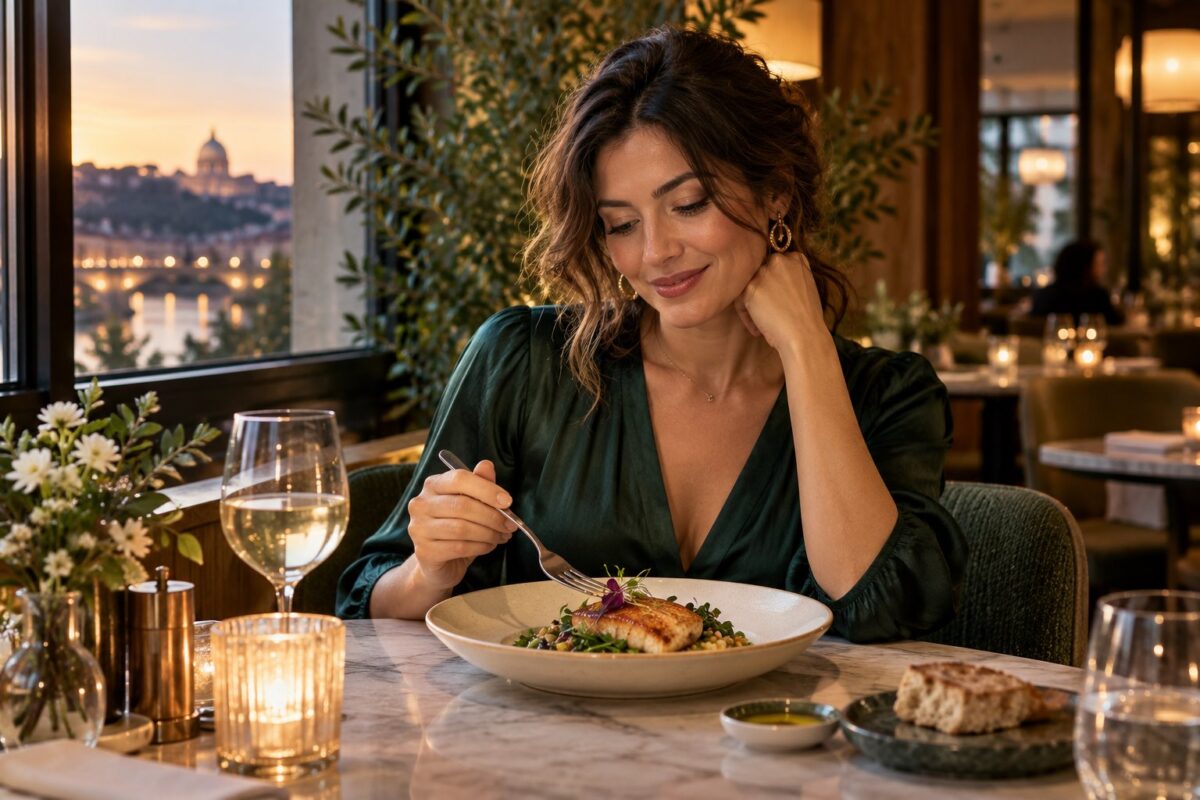
Solo dining etiquette begins with a simple fact: a reservation for one is a normal restaurant booking. You can enjoy a meal on your own without inventing a work reason or waiting for company. Choose a place and format that suit your appetite, time and comfort.
A relaxed first solo meal might be lunch at a familiar restaurant or an early dinner with a straightforward menu. If formal settings feel unfamiliar, our fine dining etiquette guide explains how to approach the table confidently.
Book for the meal you actually want
Check the restaurant’s official booking information for opening hours, menu format, deposits and cancellation terms. A tasting menu, counter service and a neighbourhood restaurant offer different experiences. Ask whether a reservation for one can be made online or should be arranged directly.
If you would enjoy a particular seat, make a polite request: “A quiet table near the window would be lovely if available.” The restaurant may have limits, but you can still say what would make the experience comfortable. You do not have to accept a bar seat simply because you are alone; ask what options are available.
Settle in without apologising
Give your name and confirm the booking for one. Put your bag where it does not block a route or occupy a working surface. Ask staff for help if there is no obvious place. Take a moment with the menu before deciding how much to order.
If you need to understand the format, ask a specific question: “Are these dishes intended to be shared, and could you suggest an amount for one person?” This is more useful than ordering several large dishes because you feel obliged to match another table.
Order at your own pace
Choose the food and drinks you want rather than performing a complete occasion. You can ask whether courses can be paced with a short break, or explain if you have a fixed departure time. Make dietary requirements clear before ordering and let the restaurant explain what it can provide.
Ask about unfamiliar descriptions without embarrassment. Staff can explain preparation, portion size or suitable combinations. If a suggestion exceeds what you want to spend, a simple “I would prefer to stay with this option” is enough.
Our mindful indulgence guide encourages choosing the purpose of an experience. For a solo meal, that might be trying one dish carefully rather than ordering the longest menu.
Choose how to use the time
A book or notebook can feel comfortable, provided it fits the table and the setting. A phone is also a tool, but keep sound off and avoid calls or videos that disturb other guests. If you need a call, step away to a suitable place.
The Emily Post Institute’s table-manners guidance recommends silencing and putting away phones during shared meals. When dining alone, the broader principle remains consideration for nearby diners and staff. Follow the venue’s own rules and avoid photographing other people without their agreement.
You are free to enjoy the room without starting conversations. Equally, a brief friendly exchange is welcome when the other person is receptive. Notice whether staff are busy before asking for a long discussion about the menu.
Handle a problem briefly and specifically
If a dish is different from what you ordered or a practical issue needs attention, tell a member of staff calmly. Describe the issue and what you need clarified. You do not need to wait until the bill arrives to mention something that could have been addressed during the meal.
When you need to leave the table briefly, let staff know you are returning if there could be confusion. Keep valuables with you and follow your normal travel precautions. Avoid leaving a phone on the table simply to mark your place.
Finish without rushing or overstaying an agreement
- Ask for the bill when you are ready.
- Check the items and any stated service charge.
- Follow local tipping customs and the restaurant’s billing information.
- Respect any seating duration explained when booking.
- Thank the team and collect your belongings.
Afterwards, note what made the meal pleasant: the time of day, seating, menu style or pace. Use that information for the next visit. If you enjoyed the quiet attention, extend it into a reader’s weekend rather than turning every independent outing into a productivity task.
Frequently asked questions
Is it awkward to request a table for one?
It may feel unfamiliar, but you can request it directly. Check the restaurant’s booking process and available seating.
Can I bring a book?
Usually it is a practical choice if it does not crowd the table or conflict with the venue’s format. Ask if you are unsure.
Do I need to order several courses?
Follow the menu format and any minimum requirements disclosed by the restaurant. Otherwise, choose what you want to eat.