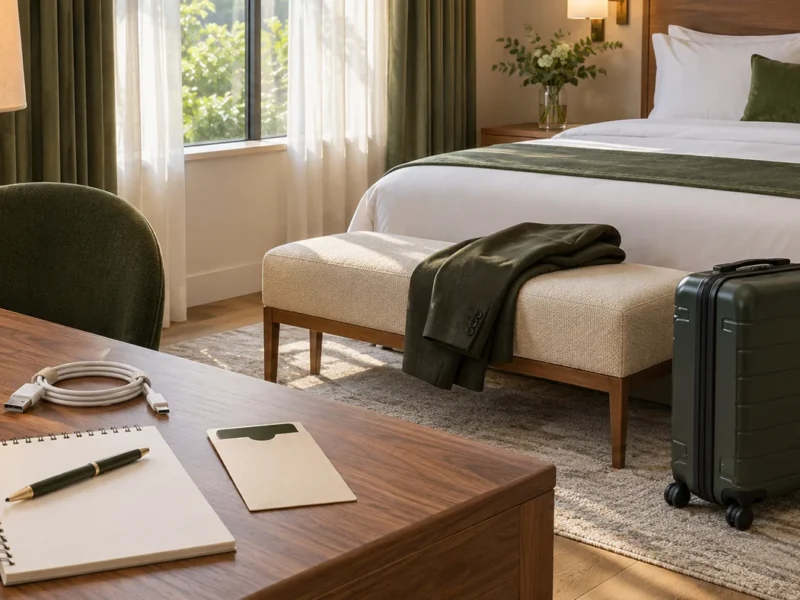
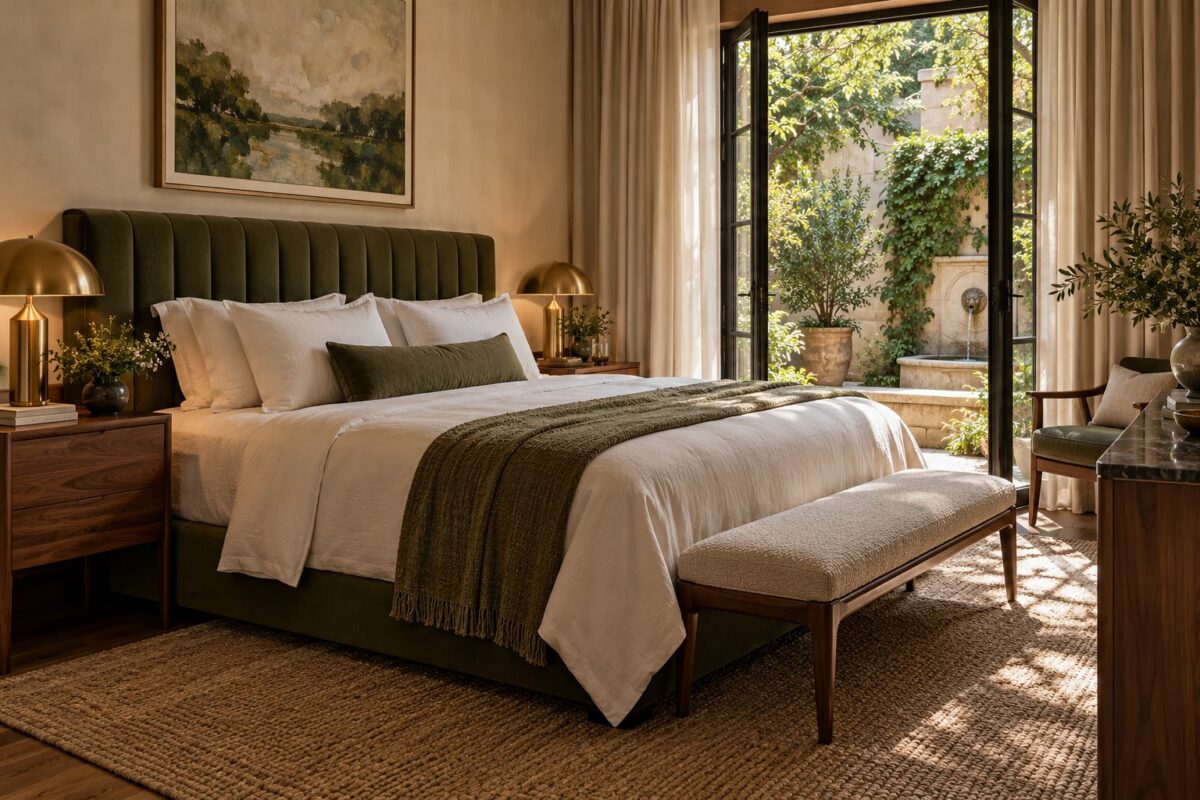
A quiet hotel room starts with the questions you ask before booking. A beautiful photograph tells you little about a delivery entrance, connecting door or rooftop venue. Choose the room around the stay you actually want: uninterrupted reading, an early night, remote work or a relaxed morning.
This checklist helps you compare room categories and make specific requests without assuming that a higher floor or a higher price guarantees silence. For the wider itinerary, start with our luxury travel planning guide.
Define what quiet means for your stay
Write down your two main concerns. Street traffic, music, corridor activity and building equipment are different problems. Someone who sleeps early may care more about evening events than morning traffic; someone working during the day may need to ask about construction.
Also list the comforts that matter alongside sound: daylight, a desk, accessible access, a particular bed arrangement or a shower you can use comfortably. A room at the end of a long corridor may be less suitable if walking distance matters. Choose a balanced solution rather than chasing one feature.
Check the building and the surrounding streets
Use the hotel’s own map and recent guest reviews to identify possible noise sources. Look for recurring, specific observations about the same room category or side of the building. A single complaint is a question to investigate, not proof that every room has the same problem.
- Ask whether the room faces a road, courtyard, service area or entertainment venue.
- Check whether a restaurant, function room, gym or pool sits above or below it.
- Ask about planned refurbishment during your exact dates.
- Confirm whether the windows open and whether cooling works independently of an open window.
A courtyard is not automatically peaceful: outdoor dining and service activity may take place there. Equally, a higher floor can sit near rooftop equipment. Ask about the actual location rather than treating either choice as a universal rule.
Send a request the team can act on
Try: “We are booking for two nights and usually sleep early. Could you advise which room category is away from evening events, lifts and service areas? We would prefer a room without a connecting door if available. Please distinguish confirmed features from requests.”
Keep the message short enough to answer. A room category with a stated feature is different from a location preference that is subject to availability. Save the reply with your confirmation. If the feature is essential, ask how the hotel can confirm it before you choose the rate.
Compare the complete stay, not only the room rate
| Check | What to record |
|---|---|
| Room | Category, bed configuration and confirmed features |
| Price | Total stay cost, taxes and any mandatory charges |
| Flexibility | Cancellation deadline, time zone and change conditions |
| Arrival | Check-in time, late-arrival procedure and transport |
The US Federal Trade Commission’s lodging-fee guidance explains its total-price requirements for covered offers. Rules vary by market; wherever you travel, request an itemised total and read the applicable booking terms.
If privacy is another priority, our secluded resort checklist considers transfers, room placement and shared facilities.
Use the first few minutes after arrival
Before unpacking fully, check the room against confirmed essentials. Listen with windows closed, locate connecting doors and test lighting and cooling controls. If something is unsuitable, explain the specific issue promptly and ask what alternatives are available. Staff can often assess a practical request more easily than a general complaint that the room feels wrong.
Do not expect absolute silence from a shared building. The aim is to reduce avoidable disruption and make expectations clear. Pack for the trip itself with our weekend capsule packing guide.
Frequently asked questions
Is a higher hotel floor always quieter?
No. Rooftop venues, lifts and equipment can affect upper floors. Ask about the building’s layout and the specific category.
Can a hotel guarantee a quiet room?
Ask what it can confirm in writing. A location request may remain subject to availability, and outside noise can change.
What is the most useful booking question?
Describe when you need quiet and ask which room category best fits that need. This gives the hotel a problem it can actually assess.